Talking & Complementary
Therapies
Talking therapies, such as counselling, psychotherapy, and cognitive behavioural therapy (CBT), involve sessions with a qualified practitioners, where you can explore the issues that matter most to you. In addition, we offer a wide range of complementary therapies, drawing from ancient Hindu traditions and modern practices that deepen your awareness of yourself and the world around you.
Once you’ve found the therapy that feels right for you, simply get in touch with the practitioner to arrange an appointment.
Counselling & Psychotherapy
Is there a difference between counselling and psychotherapy?
There is very little difference between the two terms, some people consider that counselling applies to short-term work about a clear, single difficulty whereas psychotherapy tends to be longer term exploring more complex and deep-seated issues.
Why people choose to have therapy
Usually individuals choose to have therapy because they are experiencing difficulties and distress in their lives. Sometimes people can be isolated but at other times, even where an individual has the most supportive family and friends, they can find it difficult if not impossible to explain why, for example, they may be feeling anxious and or depressed. Sometimes, it may be easier to talk about personal, family, or relationship issues with a person who is independent of friends and family. Other life issues and events which can be very difficult to deal with include bereavement, divorce, redundancy, health issues, bullying and so on.
However, you do not have to be in crisis or on the verge of one, before choosing to have therapy. You may be experiencing underlying feelings of dissatisfaction with life in general, or be seeking balance in your life and spirituality. All of these reasons and more will bring individuals to therapy.
What is psychotherapy?
Therapy is time set aside by you and the therapist to explore what has brought you to therapy. Individual sessions will occur at an agreed time and date at an agreed place, which provides a ‘safe’ space – private, undisturbed where you cannot be overheard or interrupted. The counsellor will reach an agreement with you about confidentiality.
Therapy may include talking about life events, (past and present), feelings, emotions, relationships, ways of thinking and patterns of behaviour. The therapist will do their best to help you to explore your issues, so that you can identify the right course of action for you, either to help you resolve your difficulties or help you find ways of managing the situation.
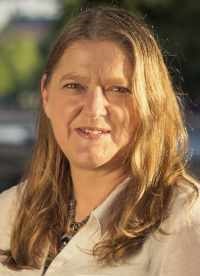
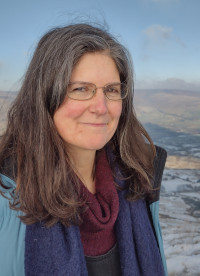
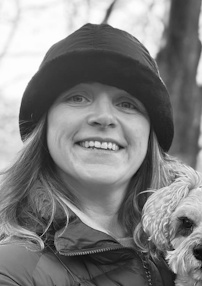
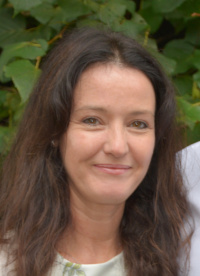
Select a therapist to get in touch with



What is CBT?
Cognitive Behaviour Therapy (CBT) is a talking therapy. It can help people who are experiencing a wide range of mental health difficulties. What people think can affect how they feel and how they behave. CBT offers a range of therapies based on concepts and principles derived from psychological models of human emotion and behaviour. They include a wide range of treatment approaches for emotional disorders, along a continuum from structured individual psychotherapy to self-help material.
CBT focuses on 3 main areas, thoughts (cognitions), feelings and behaviours. CBT enables you to see how feelings, thoughts and behaviours are interconnected, how what you think can affect your behaviour and feelings and how your behaviour can affect how you feel and think.
Your CBT specialist
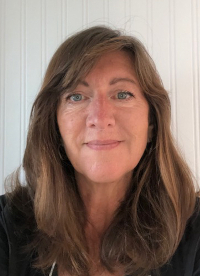
Eye Movement Desensitation & Reprocessing
What is EMDR?
Eye Movement Desensitation and Reprocessing (EMDR) is an evidence based highly effective therapy designed to help individuals overcome the distressing effects of past traumas, unwanted thoughts, memories and body sensations, anxiety, panic attacks, phobias, grief and loss and other negative experiences. It helps to manage chronic pain and is listed in the NICE guidelines as being recommended for the treatment of PTSD.
EMDR is a suitable treatment for both children from age 5, adolescents and adults.
A wealth of research has demonstrated its benefits in treating psychological trauma arising from experiences as diverse as:
War related experiences, Assault, Surgical trauma, Road traffic and workplace accidents, Childhood sexual abuse, Physical abuse or neglect, Natural disasters.
With EMDR people can find peace with the issue they brought to therapy, gain insights into what happened to them and are able to move on from therapy feeling more free and less burdened by the issue that brought them here.
Your EMDR Practitioners
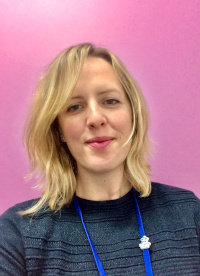
Psychology
Educational Psychology
Educational Psychologists offer a broad range of support, help and advice for children and young people from birth to 25 years, and their families. It may be learning, behaviour, relationships or psychological well-being that families recognise that a child or young person is having difficulty with at home or in school. They may feel they need extra support, advice and guidance, in a timely way.
Families are offered:
High quality assessments, observations and reports with full, detailed recommendations to support EHCP applications and to inform schools, colleges or universities.
A consultation to apply psychological principles to situations to effect a positive change.
Timely therapeutic intervention for their children
Many children and young people can experience problems academically, socially, behaviourally or emotionally. Educational Psychologists provide empathic advice based on research, supported by practical experience, providing a professional and friendly service. Requests for involvement can be made directly by parents. This may include:
Assessments and reports
Consultation
Therapeutic intervention/ therapy, including:
Cognitive Behaviour Therapy (CBT)
Solution Focused Brief Therapy (SFBT)
Motivational Interviewing (MI)
Your Psychologist

Somatic trauma therapy & Internal family systems
This is an integrative approach which combines principles and practices from Somatic Psychology, Applied Polyvagal Theory, and Internal Family Systems (IFS), as well as Somatic Experiencing and Body Mind Centering. Somatic therapy may involve guided movement, embodied meditation, and body awareness practices. Hands-off myofascial release, yoga, and other embodied practices can also help the body find balance and safety again.
Internal Family Systems complements this by offering a compassionate way to explore the different “parts” of the self – protective, wounded, or resourced. Together, somatic practices and IFS create space to build trust with the inner system, release shame, and access a deeper sense of self-leadership.
This integrative approach allows healing to unfold gently and holistically, supporting people experiencing anxiety, chronic stress, PTSD, or emotional dysregulation to move toward resilience, freedom, and wholeness.
Your SOMATIC TRAUMA THERAPY & IfS PRACTITIONER
Reiki
Spiritual energy
We live in a world of energy that nourishes and maintains all living things. When this energy flows uninterrupted there is balance and harmony within and around us, and we experience a sense of wellbeing.
There are many variations of Reiki, but in essence Reiki treatments can help the body emotionally or spiritually. It is a tradition that is open to any belief system.
Reiki treatment is a process that anyone can enjoy in the normal course of their life. Reiki can be used alongside other conventional or complementary treatment and often helps to provide emotional support during recovery. The practice is taught by Reiki masters / teachers who have trained in the tradition passed on in person from master to student.
What to expect
The method of receiving Reiki is simple. The recipient remains clothed and lies on a couch or sits on a chair and relaxes. The practitioner gently places their hands in a series of non-intrusive positions on or near the body. There is no massage or manipulation. Sessions can take 45 minutes to an hour-and-a-half, depending on the client’s needs.
Reiki practitioners are not trained in diagnosis and will not predict any specific outcome from treatment. If people are concerned about their symptoms they should see a doctor.
Each person experiences Reiki differently depending on their individual needs at the time. Benefits reported by recipients include deep relaxation promoting a calm, peaceful sense of wellbeing on all levels. Some people feel sensations of heat, tingling, or experience seeing colours, whilst others can have an emotional response, indicating that shifts are taking place, allowing harmony to be restored.
Reiki can be:
- Comforting when life is tough
The relaxing nature of Reiki can be very helpful to people especially at difficult times. - Supportive during pregnancy
Treatments can be very relaxing and enjoyable for the mother. - Calming for children
Children usually love Reiki. The length of a session is often shorter than for an adult. - Reassuring for animals
Animals also respond well to Reiki, they too seem to find it relaxing and soothing. - Helpful at the end of life
Reiki can be a great comfort, helping to promote a sense of peace and acceptance.
Your Reiki Master
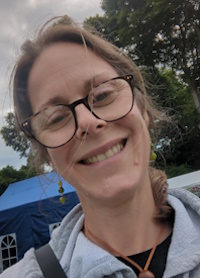
Reflexology
Reflexology is a wonderful relaxing complementary therapy
It involves applying pressure to specific areas on the feet or hands. The theory behind reflexology is that these areas, known as reflex points or zones, correspond to specific organs, glands, and other parts of the body. By applying pressure to these points, reflexologists aim to promote relaxation, improve overall well-being, and alleviate various health issues.
Some of the benefits of reflexology include:
- Improved sleep – many individuals report better sleep quality and reduced insomnia symptoms after reflexology sessions. The relaxation induced by reflexology may help sleep disturbances.
- Digestive health – it can often help digestive issues such as constipation, indigestion, and irritable bowel syndrome.
- Immune support
- Hormonal balance
- Stress Reduction: Reflexology can induce a state of deep relaxation, which helps reduce stress and anxiety. The relaxation response triggered by reflexology may also promote better sleep and an overall sense of well-being.
- Improved Circulation: By stimulating specific reflex points, reflexology may enhance blood circulation throughout the body. Improved circulation can benefit various organs and tissues, promoting better overall health.
- Pain Relief: Reflexology is often used as a complementary therapy to manage pain, especially in conditions like migraines, back pain, and arthritis. The release of endorphins, the body’s natural painkillers, can provide relief from pain and discomfort.
- Enhanced Energy Levels: Reflexology aims to balance the body’s energy flow. By working on specific reflex points, practitioners believe they can restore the body’s natural energy balance, leading to increased vitality and energy levels.
- Support for the Immune System: Some proponents of reflexology suggest that the practice can help strengthen the immune system by improving lymphatic drainage and overall circulation, potentially aiding the body’s ability to fight off illnesses.
- Digestive Health: Reflexology may help promote healthy digestion by targeting reflex points associated with the digestive system. It is often used to address issues such as indigestion, constipation, and irritable bowel syndrome (IBS).
- Relief from Pregnancy Discomfort: Reflexology is sometimes used during pregnancy to alleviate common discomforts such as nausea, back pain, and swollen feet. However, pregnant women should seek the expertise of a certified reflexologist experienced in prenatal care.
- Holistic Balancing: Reflexology is a holistic practice, meaning it considers the person as a whole—mind, body, and spirit. By addressing imbalances in the body’s energy flow, reflexology aims to promote overall balance and harmony.
- Complementary Cancer Care: Some cancer patients turn to reflexology to manage symptoms related to cancer and its treatments, such as pain, nausea, and anxiety.
- Emotional wellbeing
Your reflexologist
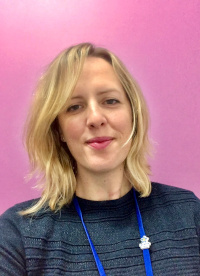
Emotional Freedom Techniques
Emotional Freedom Techniques (EFT), also known as tapping therapy, is an alternative therapeutic technique that combines elements of traditional Chinese medicine, acupressure points and psychology. It involves tapping with your fingertips on specific meridian points on the body while focusing on negative emotions or physical sensations. The goal of EFT is to balance the body’s energy system and relieve psychological stress and physical discomfort.
Here are some potential benefits of Emotional Freedom Technique:
- Stress Reduction: EFT helps reduce stress and anxiety by calming the body’s stress response. The physical act of tapping, combined with the mental focus on the issue, can lead to relaxation and a sense of calm.
- Emotional Regulation: EFT can help regulate emotions by addressing negative feelings, traumas, or memories. By tapping on specific points, individuals can process and release negative emotions, leading to emotional balance and stability.
- Pain Management: Some studies suggest that EFT can be effective in managing various types of pain, including chronic pain, headaches, and muscle tension. The tapping process may help the brain release endorphins, which are natural pain relievers.
- Improved Sleep: EFT has been reported to help people with insomnia or disrupted sleep patterns. By reducing stress and anxiety, it can create a more conducive environment for restful sleep.
- Trauma Healing: EFT is often used in trauma therapy to help individuals process and release traumatic memories and emotions. It can be an effective tool in the treatment of post-traumatic stress disorder (PTSD) and other trauma-related conditions.
- Boosted Self-Esteem: Regular practice of EFT can help individuals address and release limiting beliefs and negative self-talk. This can lead to improved self-esteem and self-confidence.
- Reduced Cravings: EFT has been used to address cravings, particularly in the context of addiction and weight loss. By tapping on cravings, individuals may experience a reduction in the intensity of their urges, making it easier to resist temptations.
- Improved Energy Flow: According to the principles of traditional Chinese medicine, tapping on specific meridian points helps balance the body’s energy system. By doing so, EFT proponents believe that the body’s natural healing abilities are enhanced.
- Self-Help Tool: One of the significant benefits of EFT is that it can be easily learned and practiced on one’s own. It empowers individuals to manage their emotional well-being and work through various issues independently.
Your EFT practitioner
Sound Healing
What is Sound Therapy?
(by Clare Savory)
A Holistic Approach, Backed by Neuroscience.Sound therapy isn’t just soothing – it’s scientifically proven to reduce stress, improve sleep, ease physical pain and boost your immune system.
Just 15 minutes of deep sound relaxation can shift your brainwaves and replenish key minerals like potassium and sodium, helping your body find its natural rhythm again.
How Sound Can Help – Our clients come to sound therapy for many reasons. Clare’s sessions are especially supportive for:
- Sleep problems & chronic fatigue
- Anxiety & Stress
- ADHD & neurodiversity
- Grief & emotional overwhelm
- Physical pain, muscle tension & headaches
- Hormonal imbalance or effects of new medication
Just 15 minutes of sound relaxation can begin to regulate your nervous system, replenish key minerals and shift brainwaves – all backed by neuroscience. It is so much more than just relaxation – it’s restoration from the inside out.
Why Choose Feeling Sound/What Makes Us Different?
We’re not just gongs and good vibes.
Clare’s sound therapy is grounded in over 20 years of experience in audio, radio and music – and solid scientific research.
You’ll feel safe, seen, and supported in every session – with no movement, no pressure and no judgment. Just deep rest, nature-inspired space and sound designed to restore.
Ready to Feel Sound Again?
Our sound baths are just a stone’s throw away from Manchester, Stockport and Buxton. Explore our upcoming sound baths in peaceful, nature-connected spaces across the Glossop and Peak District area, including here in the Riversode Studio evry other Wednesday afternoon and evening.