Health &
Lifestyle
Our practitioners can help you select a nutition plan that’s right for you, or lead you through some enriching or restorative exercises. Maybe we can help you make sense of those learning experiences, and find a new direction in life.
Select your practitioner below to arrange an appointment.
Nutrition
Nutritional Therapy & Personalised Nutrition
‘You are what you eat’ may be a cliché but it has surely never been truer – particularly in relation to health and wellbeing. Life is full of individual priorities – around work, around family – even around illness – and what we choose to eat may have an enormous impact on how we cope with the pressures of everyday life. Additionally, ongoing medical conditions and other illnesses can often significantly influence our quality of life.
While it may seem that we are constantly bombarded with advice about healthy eating – there is far more to good nutrition than getting your ‘five a day’ or knowing the difference between good and bad fats!
The key to successful nutritional therapy lies in understanding the root causes of persistent health issues. Once that’s established, nutrients with specific potential benefit can be targeted, or nutrients that are potentially harmful can be avoided. Nutritional supplements, if appropriate, may also be recommended as part of a tailored programme.
Turn on the TV, pick up a newspaper, tune into the radio – general dietary advice is everywhere and it can be as misleading as it is helpful. Nutritional therapy recognises that everyone is an individual – so there are no ‘off the shelf-solutions’ – no ‘one size fits all’ approaches. Each programme is tailored, individual and bespoke.
Nutritional therapy may help a variety of condition types. Your doctor may have diagnosed a ‘pre-‘ or borderline condition, such as diabetes or hypertension; you may have been identified to be at moderate risk of developing a condition such as heart disease, or you may have had family members diagnosed with a condition that may be hereditary.
Dietary lifestyle changes may help address a range of specific long term conditions or may simply help you to work towards optimal health.
Your nutritional therapist

Pilates
What is pilates?
There’s more to Pilates than developing “strong abs” or “core strength”.
Pilates is an exercise system designed to strengthen and stretch the whole body.
It is a low impact exercise method that helps posture, core and overall body strength, joints mobility, and therefore improving general full body movement.
There’s some evidence that Pilates can provide pain relief to people with non-specific lower back pain.
For the exercises to be more effective, they need to be tailored to the individual, and taught by a qualified teacher.
Your pilates teacher
Yoga
Here at Riverside Wellbeing we offer private yoga tuition that is tailored to your health needs and your personal goals as well as group yoga classes. We can support you with yoga, breath work practices and relaxation. Private yoga tuition is available in our dedicated studio space, with all props provided, or in one of our therapy rooms.
Both of our yoga teachers are fully insured and qualified, and carry a wealth of experience between them. Please don’t hesitate to contact us to chat more about the option that is right for you.
Who is yoga for?
Everyone! There’s a reason why yoga and meditation practices have survived and thrived for thousands of years – because they work! Yoga has the potential to be incredibly healing and helpful. These practices are now backed by scientific research showing us the profound effect that they can have on our lives. Many of us have very physically or cognitively demanding roles, whether in work or as a caregiver, and this has led to a real sense of disconnection and dis-ease in our bodies. Lots of us find ourselves stuck in the past or future with no sense of being truly present. But yet lots of us have the same wish to be happy and healthy. Or we throw ourselves into work or family life without carving out any time for our own self-care or down time. This eventually presents itself as injury, fatigue or anxiety. What we resist, persists!
What can I expect?
At the initial consultation you will get to ask any questions you want and be able to talk about possible options for private sessions. This is a body-based therapeutic approach and sessions may include (this is tailored to the individual)
- Breath work techniques
- Yoga postures
- Meditation tools and techniques
- Yoga nidra
- Body based exercises
- Guided relaxation
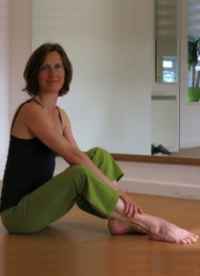
Your yoga teachers

Dr Sally Eccleston

NATASHA LINCOLN
Massage & MOVEMENT
Sport and Remedial Massage
Sports and Remedial Massage is a targeted treatment designed to assess and address dysfunction in the muscles, tendons and soft tissues of the body. It is suitable for anyone experiencing muscular pain, restricted movement or recurring tension—whether due to sport, physical work, poor posture or everyday activities.
This treatment combines advanced massage techniques with movement assessment to identify areas of imbalance or strain. By working deeply into specific muscle groups and incorporating techniques such as soft tissue release, trigger point therapy and stretching, Sports and Remedial Massage helps reduce pain, improve mobility and support the body’s natural recovery process.
It is effective for both injury prevention and rehabilitation, helping restore optimal function and allowing you to maintain or improve your performance in daily life or sport.
What is Deep Tissue Massage?
Deep tissue massage is ideal for anyone who needs to release tension, relax and bring harmony to the body. It can treat musculoskeletal tissues, such as strains and injuries. The treatment warm areas of the body and promote relief by using slow, deep strokes to reach the deeper layers of the muscles and connective tissues. This is an effective body treatment which reduces stress and promotes deep relaxation and wellbeing. It may also promote faster healing by increasing blood flow and reducing inflammations. View therapist details for more info.
Your massage therapistS

Mindfulness
Take a moment
Have you ever started eating a snack bar, taken a couple of bites, then noticed all you had left was an empty packet in your hand? Or been driving somewhere and arrived at your destination only to realise you remember nothing about your journey? Most people have! These are common examples of “mindlessness,” or “going on automatic pilot.” In our modern, busy lives, we constantly multitask. It’s easy to lose awareness of the present moment as we become lost in our efforts to juggle work, home, finances, and other conflicting demands.
Mindfulness is a way of paying attention to, and seeing clearly whatever is happening in our lives. It will not eliminate life’s pressures, but it can help us respond to them in a calmer manner that benefits our heart, head, and body. It helps us recognise and step away from habitual, often unconscious emotional and physiological reactions to everyday events. It provides us with a scientifically researched approach to cultivating clarity, insight, and understanding. Practising mindfulness allows us to be fully present in our life and work, and improve our quality of life.
Your Mindfulness specialists

Neuro-linguistic Programming (NLP)
A study of subjective experience
- Neuro refers to the mind/nervous system and how that perceives and processes information.
- Linguistic refers to the language that we use to talk about our experience.
- Programming refers to the habitual, instinctive responses or patterns of behaviour that get triggered time and time again. These patterns can help or hinder us and can be changed.
NLP is a total approach to discovering what makes a person behave as they do. NLP-ers are fascinated by the the structure underneath the behaviour: the habits, thoughts, feelings and beliefs that lead us to behave in a certain way. With NLP you will discover how to change your behaviour in ways that enable you to be more successful, whatever that means for you, and on your terms. You can also learn new behaviours through the process of modelling excellence in others.
NLP is therefore all about understanding how a person ticks so that they can make the changes they want.
How can it help?
NLP comprises an incredibly rich set of tools that are of benefit in almost every human situation. Athletes use it to boost their performance (they learn the behaviours of top performing athletes). Politicians use it to help them communicate more effectively. Ordinary people use it to banish stage fright, improve relationships and discover choices that they had been blind to. NLP can also help you manage stress and develop your self-belief, assertiveness and confidence.
Select an NLP practitioner
Hypnotherapy
What is hypnosis?
The actual experience of hypnosis is very difficult to describe. Contrary to popular belief, hypnosis is not a state of deep sleep. It does involve the induction of a trance-like condition, but when in it, the client is actually in an enhanced state of awareness, concentrating entirely on the hypnotist’s voice. The therapist is able to suggest positive ideas, concepts and lifestyle adaptations to the client, the seeds of which become firmly planted.
There is little difference between hypnosis and daydreaming, or becoming involved in a good book or television programme. It is an altered state of awareness which everyone experiences naturally. It’s that lovely feeling that one experiences just before going to sleep at night, or as you come out of sleep in the morning.
Generally you will be aware of what is going on around you and of what the therapist is saying to you, you will remember a lot of what has happened in your session, and throughout, you are always in control. It is really important to understand that nobody can be hypnotised against their will and even when hypnotised, people can reject any suggestions that do not fit in with their own set of personal belief systems and their own personal integrity.
How is it used?
Hypnotherapy means the use of hypnosis for the treatment and relief of a variety of psychological symptoms including: stress, anxiety, panic, phobias, unwanted habits and addictions (e.g. smoking, overeating and alcoholism), lack of confidence, fear of examinations and public speaking, allergies and skin disorders, irritable bowel syndrome (IBS) and many more. Additionally, it has proved of value within surgery, where normal anaesthetics have not been practical, in the wider sphere of pain management and in the areas of both sporting and artistic performance enhancement.
Your hypnotherapist
End of life doula
What is an End of Life Doula?
End-of-life doulas offer practical, emotional, and, if desired, spiritual support to individuals with terminal diagnoses and their loved ones. They provide assistance at any age or stage of illness, focusing on preserving quality of wellbeing, identity, and self-worth. Their approach centres on the individual and their significant others, ensuring that their needs and wishes are prioritized.
Serving as a consistent and compassionate presence, end-of-life doulas bring knowledge, experience, and understanding to help individuals make informed choices about their care. Their goal is to facilitate an end-of-life experience that is as peaceful, meaningful, and dignified as possible.
Support from an end-of-life doula can begin when a person first learns they have a life-limiting illness or during their final months and weeks. They often continue to assist loved ones with bereavement and funeral arrangements following the person’s passing.
Additionally, end-of-life doulas are available to provide guidance on death and dying at any stage of life, including information on advance planning, funeral arrangements, and support for bereavement and grief.